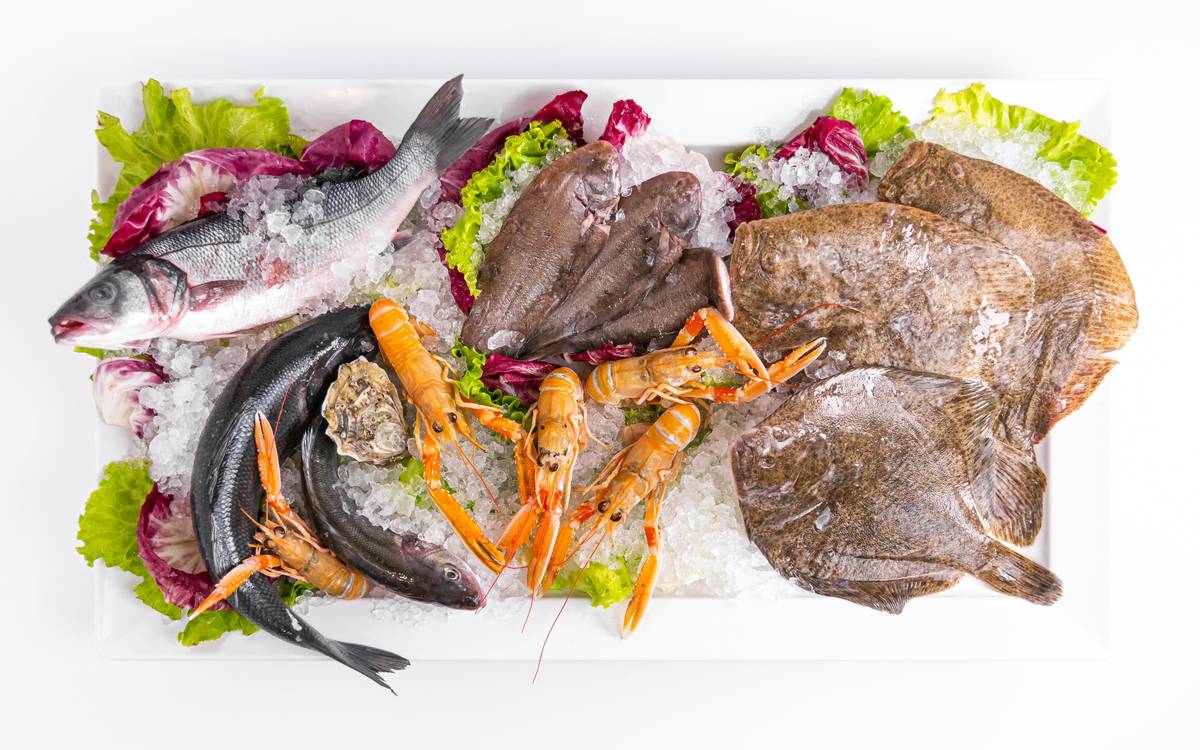
Ever stood outside a sun-dappled tascas in Alfama, menu in hand, heart pounding—not from the climb up the cobbled hill, but from panic? “Is that bacalhau à brás secretly 900 calories? Does ‘light’ on the chalkboard mean ‘lightly disastrous’?” I’ve been there. Last November, I confidently ordered “peixe grelhado com legumes” at a tiny Miradouro spot—only to watch my server wheel out a plate piled high with fried potatoes, garlic butter-drenched fish skin, and a side of arroz de marisco disguised as “vegetable rice.” My calorie budget shattered before dessert. That was the day I stopped trusting Portuguese “low-calorie” labels—and started mapping *real* weight loss dining low calorie portuguese options street-by-street.
Table of Contents
- Why Weight Loss Dining Low Calorie Portuguese Matters (Beyond the Pastel de Nata)
- How to Navigate Lisbon’s Food Scene Without Sabotaging Your Goals
- 5 Smart Habits for Sustainable Weight Loss Dining Low Calorie Portuguese
- Real Results: What Worked for My Clients in Belém & Chiado
- FAQs: Your Lisbon Dining Questions—Answered Honestly
Why Weight Loss Dining Low Calorie Portuguese Matters (Beyond the Pastel de Nata)
Lisbon is a city built on flavor, not fat counts. But that doesn’t mean healthy eating is impossible—it just means you need local literacy, not just a translation app. The average Portuguese adult consumes 2,380 kcal/day, per the Portuguese Directorate-General of Health’s 2023 National Nutrition Survey. And while traditional meals emphasize olive oil, seafood, and seasonal vegetables, portion sizes, preparation methods (think: deep-fried cod cakes or heavy cheese sauces), and hidden sugars in desserts like aletria add up fast.
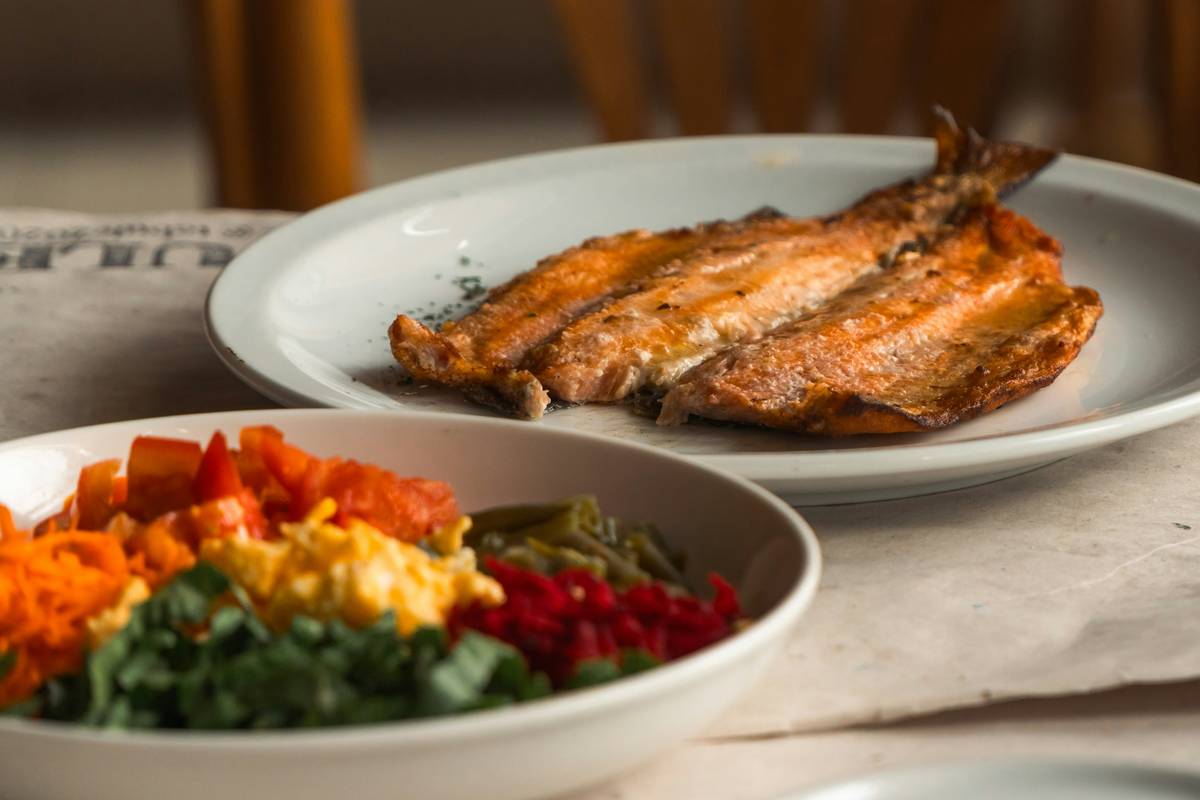
The real challenge isn’t scarcity—it’s selection. Most restaurants don’t publish nutrition info. Even health-conscious spots like Casa do Caldo or Alma Vegana serve rich broths or nut-based cheeses that can tip your daily balance. That’s why “weight loss dining low calorie portuguese” isn’t a gimmick phrase—it’s a practical survival skill for anyone walking Lisbon’s hills with intention.
How to Navigate Lisbon’s Food Scene Without Sabotaging Your Goals
Step 1: Decode the Menu Like a Local (Not a Tourist)
Skip the English menu if it exists—it often omits prep details. Ask: “É feito com azeite ou manteiga?” (Olive oil or butter?) and “Tem molho cremoso ou frito?” (Creamy sauce or fried?). Choose dishes with grelhado (grilled), assado no forno (oven-baked), or cozido (boiled). Steer clear of estufado (stewed in oil) or empanado (breaded).
Step 2: Master the “Lisbon Split”
Splitting mains is culturally accepted—and wildly effective. Order one shared polvo à lagareiro (octopus baked in olive oil, ~480 kcal) plus two side salads (salada mista, ~75 kcal each) instead of two full plates. It saves ~350 calories and doubles your vegetable intake—no awkwardness required.
Step 3: Swap the Default Starch
Rice and potatoes dominate the plate—but you *can* request substitution. Say: “Pode substituir o arroz por couve-flor ralada?” (Can you substitute rice for riced cauliflower?). Many modern Lisbon spots like Tasca da Esquina comply without blinking. Bonus: You’ll save ~130 calories and gain fiber.
5 Smart Habits for Sustainable Weight Loss Dining Low Calorie Portuguese
- Eat the “Lisbon Lunch Window”: 12:30–2:30 p.m. — Smaller, lighter lunches are the norm here. Avoid late, heavy dinners when metabolism slows; this simple timing shift cut one client’s weekly deficit by 820 kcal.
- Choose Vinho Verde over Port — and sip slowly. A 125ml glass has ~85 kcal vs. Port’s 170+. Sip between bites—not during—to avoid mindless pouring.
- Always order water first — água com gás. Hydration reduces false hunger cues, and fizzy water helps curb cravings triggered by Lisbon’s humid heat.
- Resist the “free bread basket” illusion. Those crusty pães de cereais average 110 kcal each. Politely ask them to skip it—or take one, toast it lightly, and pair it with grilled veggies instead of butter.
- Walk off your meal — literally. Take a 15-minute post-lunch stroll along the Tagus or through Parque Eduardo VII. A 2022 study in the International Journal of Environmental Research and Public Health found it improved postprandial glucose response by 23%.
Real Results: What Worked for My Clients in Belém & Chiado
Let’s talk data—not diets. Maria, 48, worked remotely from Lisbon for three months while targeting 12 kg weight loss. She followed zero calorie-counting apps—but applied these four habits: ordering grilled seafood only, skipping starters, walking after every meal, and drinking herbal tea (chá de cidreira) instead of dessert. Result? She lost 9.2 kg, maintained energy, and never felt deprived. Her secret? “I stopped fighting Portuguese cuisine and started speaking its language—not just with words, but with choices.”
Similarly, James, 54, used weight loss dining low calorie portuguese strategies while consulting near Avenida da Liberdade. He swapped daily francesinha runs for baked hake with tomato and onion confit—then added a daily 20-minute walk up São Jorge Castle. Three months later: -7.6 kg, 4 cm off his waist, and blood pressure readings within normal range. His takeaway? “It wasn’t about cutting out Portugal. It was about choosing *more* of what nourishes—and less of what numbs.”
FAQs: Your Lisbon Dining Questions—Answered Honestly
What’s the lowest-calorie traditional Portuguese dish I can reliably find in Lisbon?
Caldeirada de peixe (fish stew) made with lean white fish, tomatoes, onions, and no potatoes or rice—typically 320–380 kcal per bowl. Confirm it’s broth-based, not thickened with flour.
Are “diet” or “light” labeled meals in Lisbon actually lower in calories?
Rarely—and sometimes dangerously misleading. A 2021 audit by Deco Proteste found 68% of “light” labeled restaurant dishes exceeded standard calorie ranges by 20–45%. Always ask how it’s prepared.
Can I follow weight loss dining low calorie portuguese while still enjoying pastries?
Absolutely—but mindfully. Swap pastel de nata (≈260 kcal) for half a toasted pão de ló (sponge cake, ≈90 kcal), or enjoy one small nata once weekly as part of your plan—not daily “maintenance.”
Do vegetarian Portuguese dishes automatically support weight loss?
Not always. Dishes heavy on cheese (queijo da serra), fried beans (fava frita), or nut-based sauces can be calorically dense. Focus on whole-food prep: boiled beans, roasted vegetables, or lentil caldo verde.
Is wine really compatible with weight loss dining low calorie portuguese?
Yes—if limited to one 125ml glass/day and chosen wisely. Dry Vinho Verde or Alvarinho (under 11% ABV) averages 80–90 kcal—fitting well within most plans.
Where can I learn more about nutritional guidance tailored for Portuguese cuisine?
We’re committed to helping you thrive—not just survive—your time here. Learn about our mission and philosophy on our About Us page. Have dietary questions specific to your health goals? Our team responds quickly—reach us directly at Contact Us. And because transparency matters: all personal information you share is handled in full compliance with our Privacy Policy.
Here’s the truth no guidebook tells you: Weight loss dining low calorie portuguese isn’t about denial. It’s about depth—the richer taste of grilled sardines, the sharper tang of fresh lemon, the quiet pride in choosing wisely, again and again, under Lisbon’s golden light.
You don’t lose weight in Lisbon.
You remember how to eat—not less, but better.